Category: Health

  • Dental Calculus: Key Facts Every Patient Should Know

    Dental Calculus: Key Facts Every Patient Should Know

    Dental calculus is the hardened form of plaque that is the most common and prime culprit in wreaking havoc on your oral health. It co-exists with bacteria to secrete harmful acids and toxins resulting in oral problems like tooth decay and gum disease. 

    If you think you are suffering from dental calculus, consult the Monterey Park, CA dentist, or their expert team for prompt diagnosis and treatment. But before that let’s explore everything about dental calculus for a better understanding.  

    Understanding dental calculus 

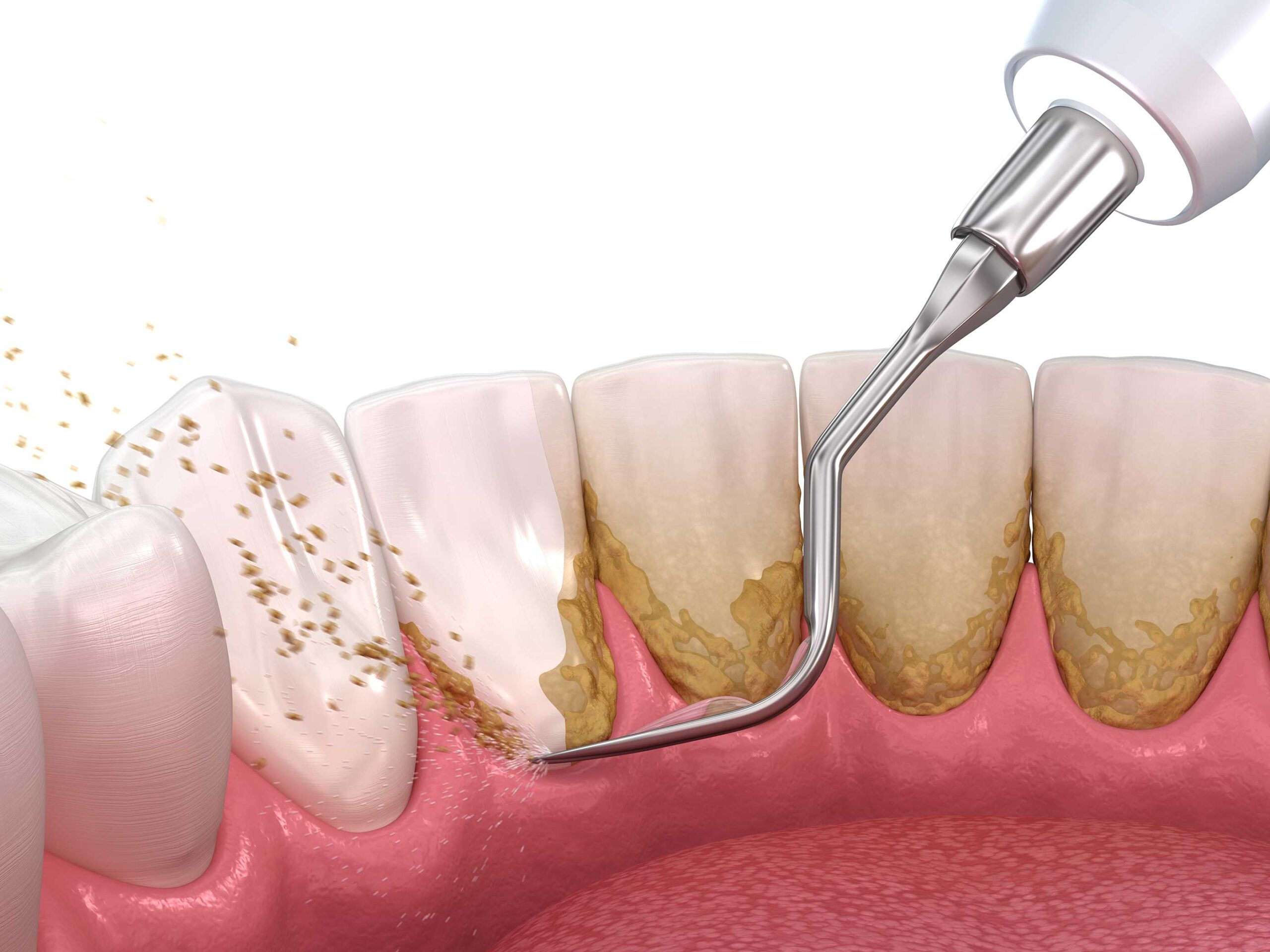
    Dental calculus, popularly known as tartar, is the hardened form of plaque that accumulates on your teeth, above and below the gum line. Poor oral hygiene often results in bacterial colonization and plaque accumulation which left untreated can harden to form calculus. Unlike plaque, you cannot remove calculus through routine brushing and flossing. You may require professional teeth cleaning by a dentist or oral hygienist. 

    Calculus contains dead bacteria that have mineralized, mixed with a small portion of mineralized proteins from your saliva. Specifically, calculus consists of three main minerals, namely-  calcium phosphate, calcium carbonate, and magnesium phosphate 

    What causes calculus?

    Increased bacterial accumulation due to poor oral hygiene gives way to plaque formation. Untreated plaque leads to the formation of calculus.

    Anyone can get calculus in their mouth, but you are more likely to develop calculus if you:

    • Fail to brush and floss as often as required
    • Consume a lot of sugary foods and drinks 
    • Smoke or use other tobacco products
    • Wear braces 
    • Suffer from xerostomia (dry mouth)

    What are the symptoms of calculus in your mouth?

    If calculus develops in your teeth, you may notice the following signs and symptoms:

    • Yellow, brown, gray, or black stains on your teeth
    • Hard chunks of debris, especially behind the teeth 
    • Halitosis (bad breath)
    • Red, swollen, bleeding gums  
    • Diastema (gaps between teeth)
    • Gum recession (pulling away of the gums from the gum line 
    • Increased tooth sensitivity 

    How is calculus treated?

    Treatment for calculus depends on the amount and extent of development. Your dentist may recommend any one of the following treatment options:

    Dental cleanings 

    • This includes routine supragingival and subgingival cleanings by an oral hygienist 

    Advanced gum disease treatment

    • Common gum disease treatments include:
      • Scaling 
      • Root planing 
      • Pocket reduction surgery 
      • Laser periodontal therapy 

    If you notice calculus, seek dental care for further evaluation and treatment. Early detection and treatment for calculus can greatly improve your oral health and quality of life. Leaving calculus untreated can predispose you to advanced gum disease and tooth decay. So act fast! 
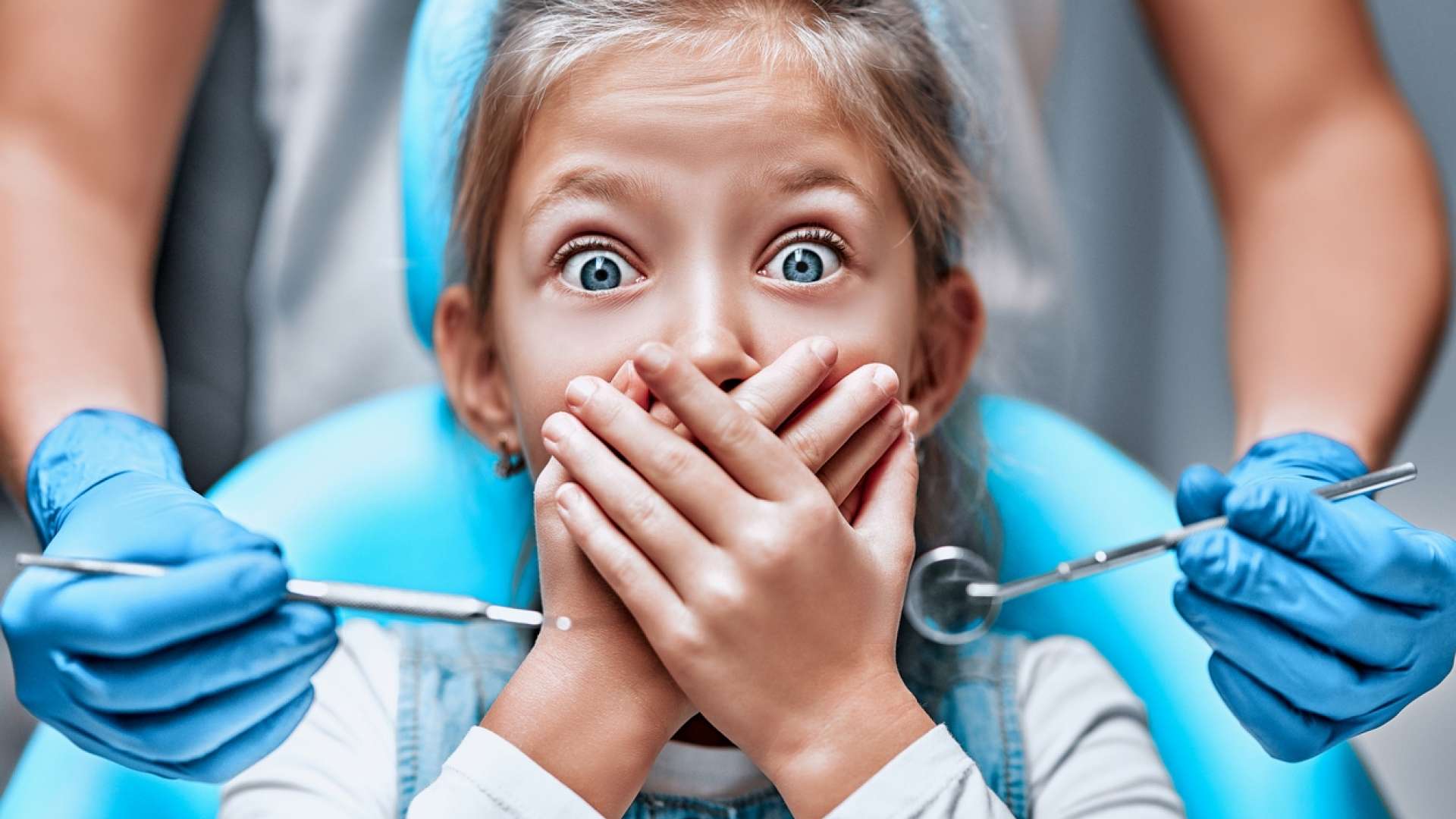
  • Navigating Dental Anxiety in the Family Setting 

    Navigating Dental Anxiety in the Family Setting 

    Dental anxiety, a common issue, might keep people from getting necessary dental treatment. Recognizing and managing this fear is critical to excellent dental health. This article provides helpful recommendations for people in Ontario who are anxious or fearful of dental appointments to reduce concern and encourage regular dental treatment. Schedule a consultation with a family dentistry Oshawa today. 

    Understanding dental anxiety 

    Dental anxiety is defined as feelings of worry, apprehension, or anxiousness connected with seeing the dentist. This anxiety can be caused by a variety of circumstances, including dread of pain, previous unpleasant dental experiences, apprehension about needles or dental equipment, or a sense of loss of control during dental operations. Understanding the underlying reason for your dental anxiety can allow you to treat and manage it more effectively. 

    Recognizing and admitting dental anxiety is an important first step. Understanding that nervousness regarding dental treatments is common might assist in alleviating these worries. Open discussion with your dentist about your nervousness allows them to modify their approach to guarantee your comfort.

    Building trust between you and your dentist. 

    Establishing a rapport with your dentist is vital for reducing dental anxiety. Dentists focus on providing a warm and encouraging atmosphere for their patients. They promote open communication and actively listen to your issues so you feel heard and understood. You might feel more secure and calm during your trips to the dentist if you establish a trusting connection with them.

    Share your concerns with your dentist. 

    Do not be afraid to share your worries and anxieties with your dentist. Sharing your concerns helps your dentist to personalize their approach to your specific requirements. Open conversation may help ease anxiety and provide a more positive experience, whether it is sharing previous poor experiences, dreading certain treatments, or simply feeling worried about being in the dental chair.

    Understand the dental procedure. 

    Uncertainty is often the source of fear. Request that your dentist clarify the treatment ahead of time. Understanding what to expect during your appointment can drastically reduce anxiety.

    Relaxation techniques. 

    Relaxation exercises, both before and during your dentist treatment, can help decrease anxiety and encourage calm. Deep breathing exercises, meditation, visualization, and gradual muscle relaxation are all helpful ways to alleviate tension and anxiety before and during a dental appointment. Use these tactics daily to strengthen your resilience and better control your anxiety.

    Sedation options. 

    Sedation dentistry can be a beneficial alternative for people who have significant dental anxiety or are having difficult treatments. Dentists use a variety of sedation treatments, including oral sedatives and nitrous oxide (laughing gas), to help patients relax and feel more comfortable during treatment. The dentist will consult with you to choose the best sedation choice, depending on your needs and preferences. 

    Do not let your dental anxiety get in the way of your oral health. Schedule a dentist appointment today! 

  • Beyond Fresh Breath: Exploring Mouthwash and Other Ways for Teeth Whitening

    Beyond Fresh Breath: Exploring Mouthwash and Other Ways for Teeth Whitening

    Many individuals would want to have a white, sparkling grin. Whitening toothpaste and at-home whitening kits are only two of the many items on the market that make this promise. Mouthwash is one item, however, that is often disregarded when it comes to teeth whitening. Does mouthwash aid in tooth whitening, then? We will investigate the response to this query and provide some more dental hygiene and teeth whitening facts in this post.

    • What Leads to Yellowing or Staining of Teeth?

    It’s crucial to comprehend what causes teeth to discolor or stain before deciding if mouthwash may assist in whitening teeth. Tooth discolouration may be caused by a number of circumstances, such as:

    Food and drink: Pigments in several meals and beverages, such as coffee, tea, red wine, and dark berries, may discolor teeth.

    Use of tobacco:

    Teeth discoloration or yellowing may be brought on by smoking or using other tobacco products.

    Growing Older:

    The underlying dentin’s natural yellow tint may become visible as we age, exposing the outer layer of tooth enamel.

    Insufficient dental hygiene:

    Tooth discoloration or yellowing may result from plaque and tartar accumulation brought on by inconsistent brushing and flossing.

    • Does Mouthwash Aid in Teeth Whitening?

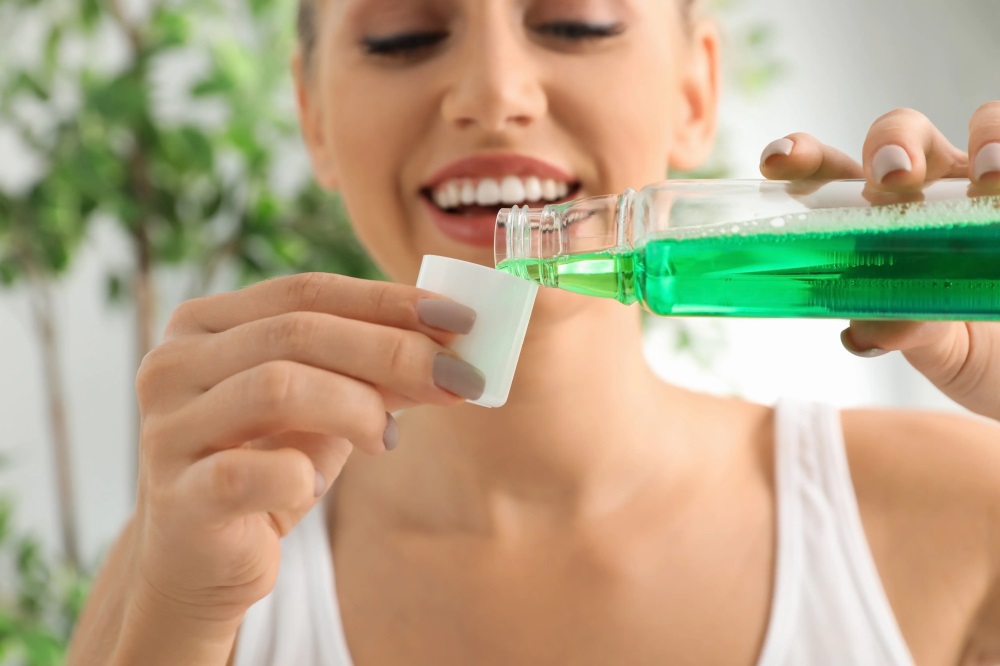
    Certain mouthwash varieties may be able to help whiten teeth, even if its main purpose is to kill germs and improve breath. Hydrogen peroxide is a bleaching chemical that is often included in whitening mouthwashes and may aid in the removal of surface stains from teeth.

    It is crucial to remember that the degree of the discolouration or staining might affect how effective whitening mouthwash is. A whitening mouthwash could be able to assist in lightening teeth a little bit for minor surface stains. However, a more thorough teeth-whitening procedure can be required for more severe discolouration or yellowing.

    Additionally, it’s essential to choose a whitening mouthwash that has received the American Dental Association’s (ADA) approval. By bearing the ADA Seal of Acceptance, a product is certified to have undergone extensive testing and to have met the safety and efficacy criteria of the organization.

    • Alternatives for Whitening Teeth

    There are a few additional choices if you’re searching for a more thorough teeth-whitening procedure:

    Toothpaste for teeth whitening:

    Mild abrasives included in many toothpastes may aid in the removal of surface stains from teeth. They usually don’t work as well as other whitening procedures, however.

    DIY teeth-whitening kits:

    The bleaching gel in at-home whitening kits is usually administered to the teeth via a tray or strips. Although these solutions may lighten teeth and remove surface stains, they may also have additional negative effects, such as discomfort.

    Office-based whitening procedures:

    An in-office whitening procedure can be your best option if you’re searching for the most noticeable results. Usually, a dentist will use a whitening gel with a high concentration on the patient’s teeth during these procedures.

    • Sustaining Proper Dental Hygiene

    To keep your teeth healthy and clean, regardless of the teeth-whitening procedure you choose, it’s critical to continue practicing proper dental hygiene. This comprises:

    Using fluoride toothpaste to brush twice a day.

    To get food particles and plaque out from between your teeth, floss once a day.

    Mouthwash is used to remove microorganisms and improve breath quality.

    Getting regular cleanings and examinations at the dentist.

    You may lessen your risk of tooth discolouration and other oral health problems by taking good care of your teeth and gums.

    Conclusion

    In conclusion, mouthwash may be able to lighten teeth to a certain degree and can help in removing bad breath, but how much of a difference it makes will depend on how severe the discolouration or staining is. A whitening mouthwash could assist if you have minor surface stains. However, other teeth-whitening methods could work better for more severe discolouration. It’s critical to choose whitening mouthwash that has received ADA approval and to carefully follow the directions.

    To keep your teeth clean and healthy, regardless of the teeth-whitening procedure you choose, it’s critical to continue practicing proper dental hygiene.

  • Dental Contouring for Gummy Smiles: Reshaping Your Gumline in Norfolk, MA

    Dental Contouring for Gummy Smiles: Reshaping Your Gumline in Norfolk, MA

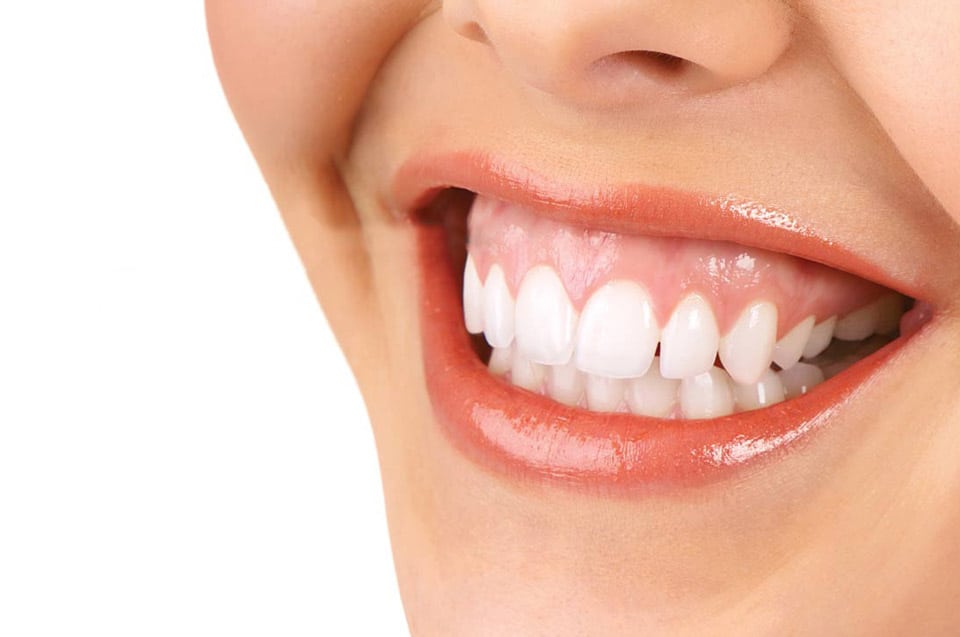
    Gum contouring, sometimes referred to as gum reshaping or dental contouring for gummy smiles, is a cosmetic dental operation that modifies the gum line to improve the appearance of a smile. It’s a reasonably easy and successful operation that can significantly improve a smile’s appearance. Many dentist in Norfolk, MA provide gum contouring services. Experienced cosmetic dentists who specialize in a range of aesthetic procedures, such as gum contouring, usually run these businesses.

    Here are the general steps involved in the gum contouring procedure:

    • Consultation: Your first step is to schedule a consultation with a cosmetic dentist. During this appointment, the dentist will examine your teeth and gums, discuss your goals, and determine if you’re a suitable candidate for gum contouring.
    • Treatment Planning: The dentist will design a treatment plan based on your requirements and preferences if they determine that you are a good candidate for the procedure. They will go over the anticipated results and address any queries you might have.
    • Procedure: To avoid discomfort on the day of the procedure, the dentist will usually numb the gums with a local anesthetic. The extra gum tissue will next be carefully removed using a laser or other specialized dental tool. The intention is to generate a more smile-enhancing, proportional, and balanced gumline.
    • Finishing Touches: Once the desired gum shape is achieved, the dentist may make some final adjustments to ensure symmetry and harmony with your teeth.
    • Recovery: Gum contouring is a minimally invasive procedure, and recovery is usually quick. You may experience some mild discomfort and swelling immediately after the procedure, but this typically subsides within a few days. Your dentist may prescribe pain medication or recommend over-the-counter pain relievers to manage any discomfort.
    • Follow-up: Your dentist will probably schedule a follow-up visit for you to make sure your gums are healing properly and to discuss any worries or queries you may have.

      Your smile’s appearance can be significantly improved by gum contouring, which can increase your self-assurance and respect. To guarantee the best outcomes and reduce the chance of complications, it is crucial to select a cosmetic dentist with training and expertise for the operation. Make sure you and your dentist have a thorough discussion about all the advantages and disadvantages of gum contouring before moving further. Ask about the procedure’s price as well as whether your dental insurance will pay for it.
  • Brightening Smiles on the Mississippi: A Guide to Dental Teeth Whitening in Memphis

    Brightening Smiles on the Mississippi: A Guide to Dental Teeth Whitening in Memphis

    Smiles that are brilliant and full of confidence have long been appreciated by the inhabitants of Memphis, Tennessee, which is located in the heartland of the blues and southern hospitality. Those looking to improve their appearance are increasingly choosing dental teeth whitening as part of the city’s diverse cultural tapestry. Cosmetic dentistry in Memphis, TN examines the methods, advantages, and cultural relevance that make this aesthetic dentistry choice appealing.

    1. Whitening of dental teeth

    The goal of dental tooth whitening, also known as tooth bleaching, is to lighten natural tooth enamel color. The process involves the application of a whitening agent, usually hydrogen peroxide, which breaks down stains and discolorations on the teeth, revealing a brighter and whiter smile.

    1. Professional versus Over-the-Counter Whitening

    Although there are several over-the-counter whitening treatments in the market, professional dentist teeth whitening in Memphis has clear benefits. Dentists use higher whitening agent concentrations to provide more powerful and long-lasting results. Professional supervision also reduces the possibility of sensitivity or negative reactions, thereby making the experience safer and more tailored.

    1. Tailored Care Programs:

    Memphis is a diverse city, and dentists are aware of the various needs and lifestyles of each patient. Plans for dental teeth whitening are frequently tailored to consider a patient’s preferences, lifestyle, and oral health. This customized method guarantees that the outcomes enhance each patient’s smile and character.

    Benefits of tooth whitening

    • Dental teeth whitening effectively addresses common stains from coffee, tea, red wine, and tobacco
    • Boosts confidence

    Long-Lasting Results

    Many patients see a difference after just one session of dental tooth whitening, which offers immediate effects. Professional tooth whitening in Memphis usually produces more consistent and long-lasting results than over-the-counter options; however, individual results may differ.

    Whiter teeth are more than simply a cosmetic improvement in Memphis, the city where smiles tell tales and the blues come to life. This is a statement on culture and dentistry. Dental practitioners in the Memphis area continue to be essential to ensure that the city’s dazzling energy is mirrored in every self-assured grin along the Mississippi, as Memphians embrace the transformational power of a brighter smile.