Category: Tech

  • Högteknologisk and Föregångare with RF Drive Test Tools & Wireless Survey Software

    Högteknologisk and Föregångare with RF Drive Test Tools & Wireless Survey Software

    The GSMA also released its Mobile Economy Report 2025, which revealed that mobile technologies and services contributed 5.8 percent of global GDP in 2024, amounting to 6.5 trillion U.S. dollars. So, now let us see see How Will AI and 5G Shape the Future along with Accurate LTE RF drive test tools in telecom & Cellular RF drive test equipment and Accurate Wireless Survey Software Tools & Wifi site survey software tools in detail.

    Deutsche Telekom, T-Mobile’s parent company, announced at the Mobile World Congress in Barcelona that it is developing a new AI Phone powered by the Perplexity chatbot. Set to launch later this year, the device will feature “Magenta AI” which integrates Perplexity Assistant, Google Cloud AI, ElevenLabs, Picsart, and additional AI tools. Initially introduced at MWC 2024, the AI phone is designed to be primarily controlled by voice, allowing users to perform tasks like booking flights or making restaurant reservations without switching apps. The new device is expected to include a variety of functionalities similar to those of “large action model” products like Rabbit R1. The hardware appears to be a midrange Android device with substantial bezels and a pink sleep/wake button. This AI phone will be available in the second half of the year, with some AI features accessible via the MeinMagenta app on other smartphones as well.

    Lenovo showcased several innovative laptop concepts at the Mobile World Congress 2025 in Barcelona. Highlighted products include the ThinkBook Flip, a 13-inch laptop with a foldable 18.1-inch OLED touchscreen, enhancing productivity with more screen space and interactive features. The Yoga Solar PC features solar panels on the lid for efficient, wire-free charging, with a notable 24% solar energy conversion rate. Additionally, Lenovo introduced the Magic Bay Dual Display Concept and the smaller Magic Bay 2nd Display Concept, modular accessories adding extra screens to ThinkBook laptops for improved multitasking. Lastly, Lenovo revealed new lightweight and repairable laptop models like the ThinkPad X13 Gen 6 and T-series with replaceable batteries.

    At the Mobile World Congress 2025, TCL presented several technological innovations. Among them is the new TCL 60 Series of smartphones, including the TCL 60 SE NXTPAPER 5G and TCL 60 NXTPAPER models, which had already been launched in North America. These devices employ NXTPAPER display technology that reduces blue light and eliminates reflections to improve visual comfort. The TCL NXTPAPER 11 Plus tablet was also introduced, offering advanced viewing modes and optimized interaction with AI and a stylus. Additionally, TCL presented the TCL RayNeo Air 3s augmented reality glasses and the TCL PlayCube portable projector at the fair, highlighting its ongoing commitment to technological innovation in the connected devices market.

    King Felipe VI reiterated the importance of lasting peace during the inaugural dinner of the Mobile World Congress (MWC) 2025. The President of the Generalitat, Salvador Illa, also called for respect for the multilateral order and collaboration between administrations for the success of the congress. The dinner, held at the MNAC, was attended by more than 200 people, including senior officials and representatives of major technology companies. The MWC 2025, held from March 3 to 6 at the Fira de Gran Via, expects more than 100,000 visitors and will feature 2,700 exhibitors.

    In summary, the Mobile World Congress 2025 has brought together global industry leaders to showcase and discuss the latest advancements in 5G, AI, and mobile technologies. The event highlights the rapid growth and integration of these technologies into various sectors, underscoring their significant impact on the global economy and future innovations. Also read similar articles from here.

  • Omvärdera and Återskapa with RF Drive Test Software & LTE 4G Tester tools

    Omvärdera and Återskapa with RF Drive Test Software & LTE 4G Tester tools

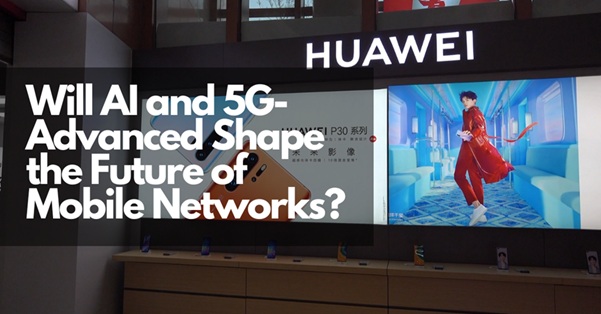
    At the 2025 Mobile World Congress (MWC) in Barcelona, Huawei convened the “5G-Advanced Industry Evolution” summit, gathering industry leaders, ecosystem partners, and operators to discuss the integration of artificial intelligence (AI) within 5G-Advanced (5G-A) networks. The focus was on the evolution from traditional traffic-centric models to user experience-based approaches, emphasizing personalized and differentiated services. So, now let us see if AI and 5G-Advanced Redefine the Future of Mobile Networks along with Accurate LTE RF drive test tools in telecom & RF drive test software in telecom and Accurate 4G Tester, 4G LTE Tester, 4G Network Tester and VOLTE Testing tools & Equipment in detail.

    Transitioning from Traffic Monetization to Experience Monetization

    The widespread deployment of 5G has significantly boosted services like short videos and live streaming, leading to steady revenue growth for telecom operators. However, as networks evolve towards 5G-A, there’s a noticeable shift from merely monetizing data traffic to enhancing user experiences. This new paradigm prioritizes personalized services and differentiated offerings, moving beyond the traditional data-centric models.

    AI Integration in Mobile Networks

    The convergence of AI with mobile networks is accelerating this transformation. AI’s deep integration facilitates smarter resource allocation, predictive maintenance, and the development of new services. This synergy between AI and 5G-A unlocks new growth opportunities for operators, enabling them to offer more tailored and efficient services to their customers.

    Insights from Industry Analysts and Vendors

    Analysts have observed that the integration of AI with mobile devices is expanding the number of connections and creating multi-dimensional network requirements. AI terminal vendors believe that this integration will accelerate the expansion of connections, necessitating faster uplink speeds, lower latency, and higher reliability to support diversified AI services. Networks will need to become more service- and experience-oriented to meet these evolving demands.

    Operator Experiences with 5G and 5G-A Deployment

    Operators from regions including the Middle East, Asia Pacific, and South Africa shared their experiences with 5G and 5G-A network deployments:

    • AIS (Thailand): Introduced 5G experience packages tailored for different demographics and scenarios, achieving nearly 200,000 activations.
    • South African Operator: Emphasized the importance of investing in network technology for sustained 5G commercial success.
    • CTM (Macao): Collaborated successfully with Huawei, noting that introducing 5G-A will bring more possibilities to industries. They highlighted AI’s potential in addressing network latency and complexity challenges, showcasing innovative market growth practices such as gaming modes and dedicated network services.

    Huawei’s AI-Centric 5.5G Solutions

    To assist operators in adapting to these transformations, Huawei has developed intent-driven AI-centric 5.5G solutions, including GigaGear, GreenPulse, and GainLeap. These solutions aim to enhance network performance, efficiency, and monetization opportunities:

    • GigaGear: Implements intent-driven resource collaboration across time, frequency, spatial, and power domains, ensuring efficient and dynamic network scheduling. This enables AI applications to deliver optimized and adaptive experiences.
    • GreenPulse: Focuses on energy-efficient network operations, aligning with global sustainability goals while maintaining high-performance standards.
    • GainLeap: Enhances signal processing capabilities, improving overall network throughput and reliability, which is crucial for supporting advanced AI applications.

    AI’s Role in Reshaping Business, Infrastructure, and Operations

    The integration of AI into 5G-A networks is poised to reshape business models, infrastructure, and operations for carriers. By leveraging AI, operators can optimize network performance, reduce operational costs, and introduce innovative services that cater to evolving consumer demands. This transformation is essential for maintaining competitiveness in the rapidly evolving telecommunications landscape.

    Huawei’s Commitment to Intelligent Network Evolution

    Huawei is actively collaborating with carriers and partners worldwide to accelerate the transition towards intelligent networks. By integrating AI across wireless, core, and IP domains, Huawei aims to unlock new revenue streams for operators through differentiated experiences, improved efficiency, and enhanced service offerings. This commitment underscores Huawei’s dedication to advancing network capabilities in the 5G-A era.

    Conclusion

    The convergence of AI and 5G-Advanced technologies represents a significant shift in the telecommunications industry. This integration enables operators to move beyond traditional data-centric models, focusing instead on enhancing user experiences through personalized and differentiated services. Huawei’s AI-centric solutions exemplify the potential of this synergy, offering operators the tools needed to adapt and thrive in this new landscape. As commercial 5G-A deployment accelerates, the role of AI in reshaping business models, infrastructure, and operations will become increasingly prominent, heralding a new era of intelligent connectivity.

    Smartphone-Based Network Testing with RantCell

    Turn your smartphone into a full-scale network testing solution with RantCell. Monitor coverage, latency, and performance without investing in expensive equipment. Whether in urban, rural, or indoor environments, RantCell delivers accurate, real-time data for smarter telecom decisions. Also read similar articles from here.

  • WAF Content Scanning for File Malware Protection Now Generally Available

    WAF Content Scanning for File Malware Protection Now Generally Available

    File uploads are an essential feature for many web applications, allowing users to share files like images, documents, and videos for a variety of purposes.

    To mitigate these risks, a feature called WAF Content Scanning has been introduced. This feature is designed to detect and prevent malicious files from being uploaded, providing an extra layer of security.  Read more file malware scanner for online protection

    New Improvements

    One of the significant improvements in this updated version is the increase in the maximum file size that can be scanned. Initially, the system could only scan files up to 1 MB in size, but with the new version, the limit has been expanded to 15 MB. To achieve this, the entire architecture had to be redesigned to handle larger files without adding extra delays or increasing the processing load.

    How the Scanning Process Works

    WAF Content Scanning operates in several steps. First, users activate the feature through an API or directly from the dashboard settings. Once enabled, the scanning engine begins identifying files within incoming requests. It uses heuristics to automatically detect files, rather than relying on unreliable indicators like the content-type header, which can be manipulated by attackers.

    WAF Content Scanning

    When the system identifies a file, it is sent to a scanning engine that checks it for any malicious content. This engine is connected to an antivirus (AV) scanner, which thoroughly analyses the file and returns the scan results. Based on these results, users can create custom rules to block or restrict certain files from being uploaded.

    File Types and Scanning Limits

    A common question about WAF Content Scanning relates to the types of files it can detect and scan. The system is designed to identify files embedded within HTTP requests, which can include a wide variety of content types. The scanning engine processes several types of files, such as:

    Executable files (e.g., .exe, .bat)

    Documents (e.g., .pdf, .docx)

    Compressed files (e.g., .zip, .rar)

    Images (e.g., .jpg, .png)

    Video and audio files (within the 15 MB file size limit)

    The system is designed to scan files in real time, ensuring the security of the server while minimizing delays.

    Performance and Latency

    In the previous version of WAF Content Scanning, the system could handle file sizes up to 1 MB, but scaling it to handle 15 MB files posed a challenge. The team had to find a way to increase the file size limit without introducing delays that would slow down file uploads. By redesigning the architecture, they managed to bypass the original rule engine, which was adding extra latency.

    Enhanced Visibility and Control

    WAF Content Scanning also provides users with greater visibility into their web traffic. The system’s analytics give insight into traffic patterns, allowing security teams to identify potential risks before malicious files can reach the server. Detailed logs provide useful information that can help with monitoring and refining security rules.

    In conclusion, WAF Content Scanning is a powerful tool for detecting and blocking malicious files, offering improved file size limits, enhanced performance, and better visibility. By using this feature, users can protect their web applications from security threats while maintaining smooth performance and flexibility.

  • The Future of Photography and Emerging Technologies

    The Future of Photography and Emerging Technologies

    Photography has come a long way since the invention of the camera obscura and the first grainy black-and-white images. Over the past few decades, we’ve seen a dramatic shift from film to digital, and from bulky DSLRs to sleek smartphones capable of professional-grade photography. But what lies ahead for photography? As technology continues to evolve at an unprecedented pace, the future of photography is being shaped by artificial intelligence, computational imaging, immersive media, and automation. These innovations are not only changing how we capture and process images but also redefining what photography means in the modern world.

    AI-Powered Cameras and Smart Features

    One of the most transformative forces in photography today is artificial intelligence. AI-driven cameras are no longer just about auto-focus and face detection—they’re now capable of recognizing scenes, adjusting settings in real-time, and even enhancing images without human intervention. Smartphones like Google Pixel and iPhone already use AI to balance exposure, reduce noise, and simulate depth-of-field effects with portrait mode.

    In the near future, AI will take an even larger role in both the capture and post-processing phases. Cameras will predict your creative intent, recommend compositions, and suggest editing styles based on the content of the image. This will help beginners create stunning photos effortlessly, while allowing professionals to speed up their workflows without sacrificing quality.

    Computational Photography and Image Fusion

    Computational photography is changing the way images are created. Instead of relying solely on hardware, this technique combines multiple shots, data points, and algorithms to create a single optimized image. High dynamic range (HDR), night mode, and multi-frame noise reduction are just a few examples already in widespread use.

    Looking forward, expect to see further advances in real-time image fusion, 3D mapping, and depth-sensing. This will allow photographers to focus images after they’ve been taken, alter lighting direction, or change the background without the need for a green screen. These capabilities will offer new creative possibilities and reduce the need for complex studio setups.

    Immersive Media: 360-Degree and VR Photography

    The rise of immersive media is also playing a significant role in the future of photography. 360-degree cameras allow users to capture entire environments in a single shot, creating a panoramic view that places the viewer at the center of the experience. This is especially valuable for real estate, tourism, and event documentation.

    Virtual reality (VR) and augmented reality (AR) photography are gaining traction as tools for storytelling and marketing. Photographers and brands can now create virtual tours, interactive galleries, or AR-enhanced prints. Imagine walking through a wedding venue before the event, or reliving a family vacation through a virtual headset—this is becoming increasingly possible with advancements in imaging technology.

    Drones and Aerial Imaging

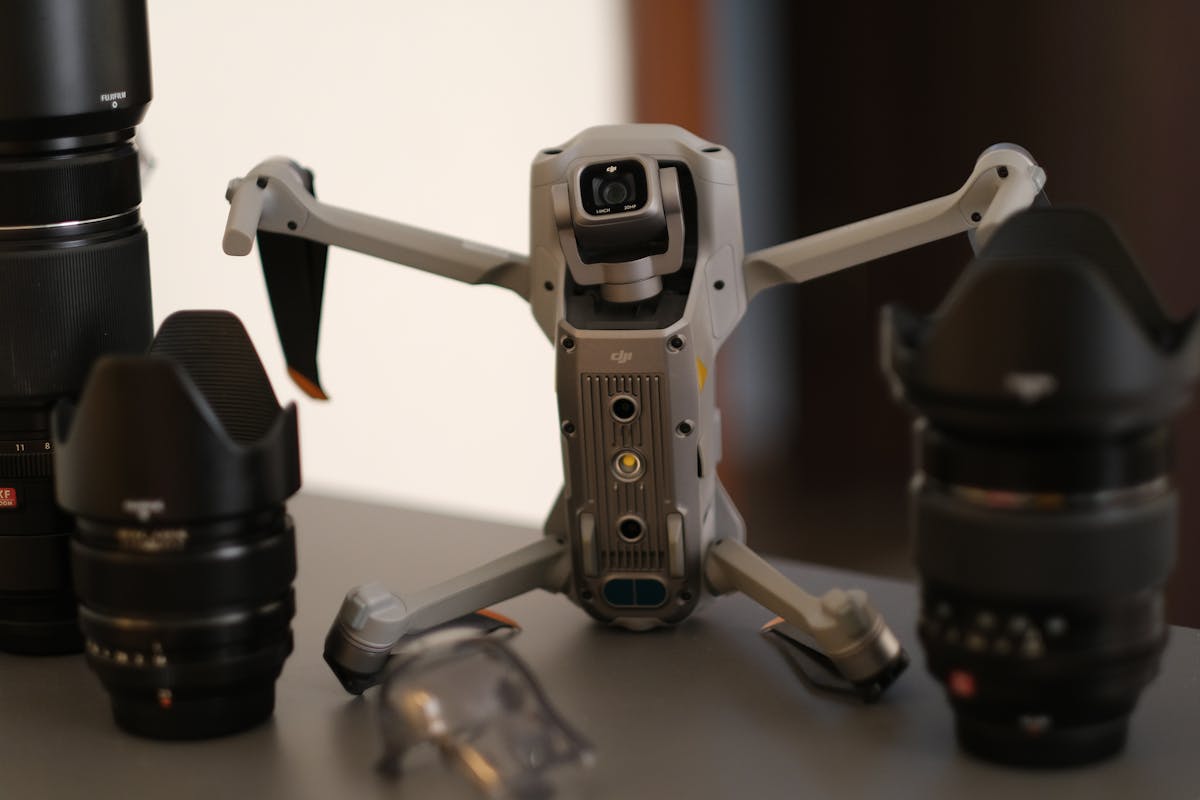
    Drone technology has revolutionized landscape and event photography. Drones equipped with high-resolution cameras and gimbal stabilization capture breathtaking aerial perspectives that were once reserved for those with access to helicopters or cranes. These tools are now being used in everything from wedding shoots and commercial real estate to cinematic film production.

    As drones become more intelligent and autonomous, they’ll be able to follow subjects dynamically, avoid obstacles in real time, and even pre-plan complex shots using AI-driven software. Combined with 5G connectivity and cloud storage, drone photography will soon offer instant access to live footage and collaborative editing in the cloud.

    The Role of Machine Learning in Post-Processing

    Editing software is undergoing its own evolution, with machine learning enabling smarter and more intuitive tools. Adobe’s latest AI enhancements in Lightroom and Photoshop, for example, can automatically select subjects, replace skies, and retouch portraits with incredible accuracy.

    In the future, editing platforms will become even more user-friendly and efficient. Photographers will be able to describe what they want—such as “add a warmer tone” or “make the sky more dramatic”—and the software will apply changes intelligently. This will democratize high-quality photo editing, allowing even those with little technical knowledge to produce professional results.

    Photography in Everyday Devices

    Cameras are now embedded in everything from smartphones and laptops to smart glasses and wearable devices. As sensor technology improves and form factors shrink, photography will become more seamless and integrated into daily life. This means more candid, spontaneous captures and the potential for continuous visual documentation of our experiences.

    Wearable photography, such as glasses that record photos and videos based on voice commands or eye movements, is already in development. These innovations could redefine the genre of street photography and allow for more authentic storytelling from first-person perspectives.

    New Business Models and Experiences

    Technology is not just changing how photographers shoot—it’s also transforming how photography is experienced and monetized. Cloud-based platforms allow for instant sharing, editing, and collaboration. Blockchain and NFTs are opening new opportunities for photographers to protect and sell their work in digital marketplaces.

    Even traditional services like photo booth rental San Antonio are being reimagined through digital enhancements. Modern photo booths now offer green screen effects, GIF creation, instant cloud uploads, and even AI-powered filters that mimic popular editing styles. These innovations are making photo booths more interactive, customizable, and socially shareable—perfect for events, brand activations, and experiential marketing.

    Conclusion

    The future of photography is being shaped by a fusion of emerging technologies that promise to make image-making more intelligent, immersive, and accessible than ever before. As AI, computational imaging, VR, and automation continue to evolve, photographers will find new tools to express creativity, solve technical challenges, and tell more engaging stories. While the core essence of photography—capturing moments and emotions—remains unchanged, the way we achieve it is transforming rapidly. Staying curious, adaptable, and informed will be key for photographers who want to thrive in this exciting new era.

  • Decoding Excellence: Why Choose the Samsung s24 Series

    Decoding Excellence: Why Choose the Samsung s24 Series

    Introduction

    In the fast-paced technological advances and innovations that have reshaped the digital landscape of Dubai, the quest for the ideal smartphones is never-ending. Buried in a variety of options, the Samsung s24 series is a perfect fit for those who want performance, innovation, and style in one package. This article reveals the exclusive features of the Samsung s24 series which are extremely appealing to the customers, thus illumining the peculiarities of its functioning and what makes it stand out. Moreover, we will look into the crucial factor of the Samsung s24 price in Dubai along with the price of the Samsung s24 Ultra in Dubai.

    Cutting Edge Display Technology

    The s24 series by Samsung boasts high-tech screen features, which provide users with an immersive visual experience. These smartphones utilize bright colours, high resolution, and high refresh rates to entirely change how we interact with them. Whether you’re watching content, playing games, or just navigating, the Samsung s24 series displays taken to new levels of picture-perfect vividness.

    Innovative Camera Capabilities

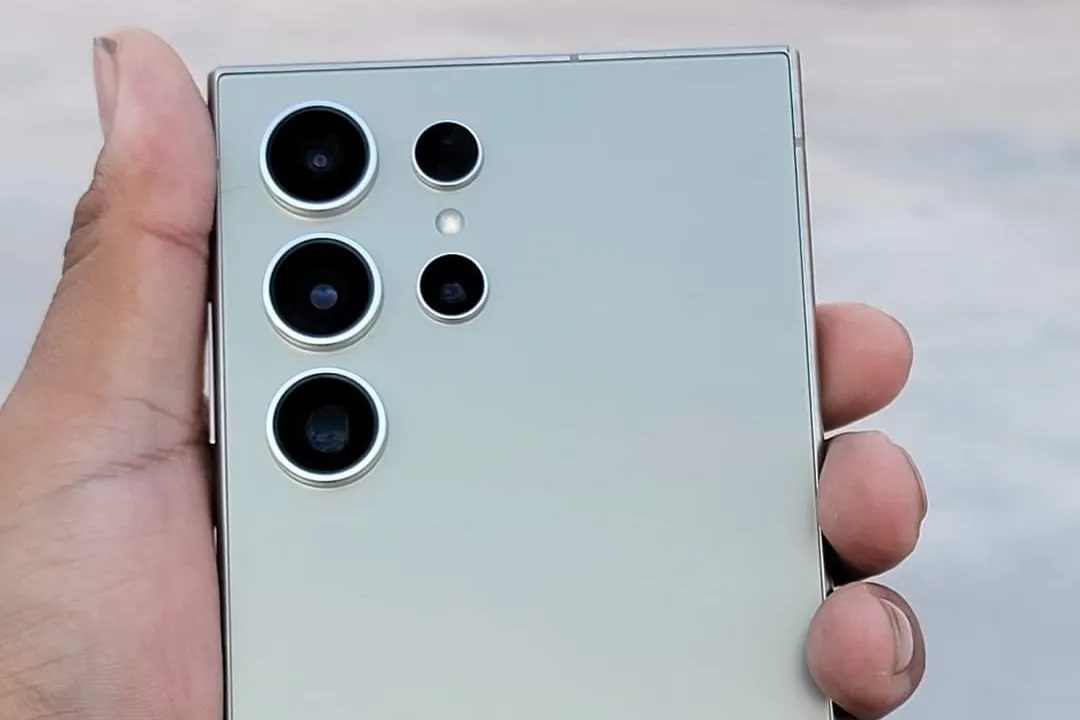
    For photography enthusiasts, the Samsung s24 series provides a camera system that renders photos with a maximum level of clarity and accuracy. Wide angles through telephoto come together and complement a multitude of different photographic styles. The integration of up-to-date functions like the night mode, AI enhancements, and 8K video recording gives the users the space and the capacity to let their creativity loose and take breathtaking photos in multiple settings.

    Powerful Performance and Multitasking

    Beneath the cool surface of the Samsung s24 series lies strong components that make it not just smooth but also efficient. They have high-performing processors and adequate RAM these smartphones manage even the most resource-intensive tasks easily. Whether you have to multi-task and use your messaging apps, play or run resource-intensive programs, the Samsung s24 series ensures a smooth and responsive experience.

    Elegant Design and Build Quality

    The functionality of the Samsung s24 series is not just great; it is also stylish and nice. It reflects sophistication and attention to detail. The sleek and ergonomic design aesthetically complemented the device while also providing a comfortable grip. The durability of the materials used speaks to the level of quality in the product, which can be trusted to be a stylish and reliable companion in our busy, urban lifestyle.

    Feature-rich Software Experience

    However, the s24 series is not only about pure power, the device possesses a delightful software feature set. The user-friendly interface of the phone coupled with several customization options allows one to freely select and preserve his/her desired choices. With software updates users will be on the cutting edge when utilizing the latest features, security upgrades and performance which keep their smartphones well-maintained and top-notch performers.

    Samsung s24 and s24 Ultra Prices in Dubai

    Pricing of the s24 series Samsung has always critical aspects that you have to consider when you want to buy these models in Dubai. The adopted pricing strategy places the s24 series as the best bet, which is recommended if you considering the light-weight advantage of its amazing features. Nevertheless, the Samsung s24 Ultra price in Dubai varies; a higher quality camera system, increased storage space, and a great screen make this phone compete with others.

    Conclusion

    To sum up, the s24 Samsung phone from the point of view of the modern smartphone market is an actual competitor providing the combination of leading-edge technology, stylish design and outclass energy. The Samsung s24 price in Dubai and the upgrade purchase of the Samsung s24 Ultra are considered. It is because of this that these smartphones are ideal for users of all preferences who will therefore have a fascinating digital life in Dubai city.